Nourishing Children: What the Philippines Taught Me About Real Food
I recently returned from a deeply meaningful project in the Philippines, where I was invited by an NGO to support their children’s health and nutrition program.
I had the privilege of bringing my 6-year-old daughter with me on this journey.
Together, we stepped into a world very different from ours — a world where modern food convenience clashes daily with ancient, nourishing traditions.
A Growing Crisis in Food Culture
My role was to help improve the nutritional value of the meals served to children and train staff in basic kitchen skills.
The focus was simple: encourage the use of local, whole-food ingredients and prepare more meals from scratch.
The Philippines, like many parts of the world, is currently facing a crisis of food culture.
There is a striking contrast between indigenous communities, who still rely on root vegetables and traditional dishes, and urban populations, where ultra-processed foods have become increasingly common.
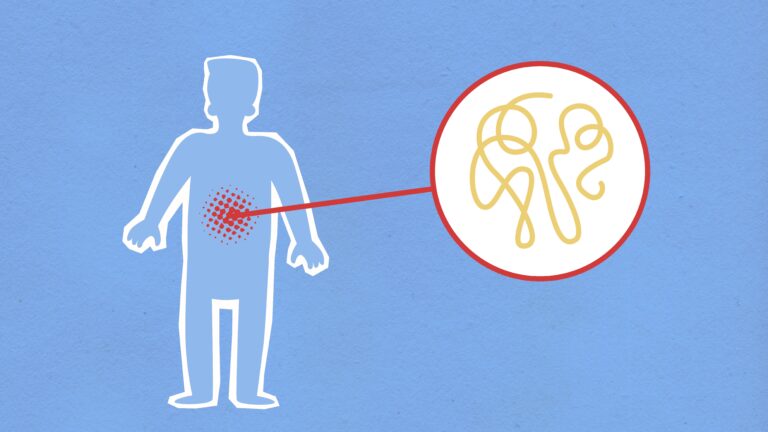
Instant noodles, sugary drinks, processed white rice and heavily flavoured convenience snacks are now part of everyday life for many families.
Sometimes, Less Really Is More
The irony is that those living closest to the land — often with fewer financial resources — can sometimes have better digestive and overall health than children living in cities.
Their diets are often simpler and based more heavily on traditional foods.
Meanwhile, many urban diets are saturated with refined sugar, processed foods and artificial additives.
The lesson?
Less is more.
Sometimes the best thing we can do is go back to our roots — quite literally.
“Make Your Own Healthy and Fun Lunch Box”
One of the most powerful parts of the project was our workshop:
“Make Your Own Healthy (and Fun) Lunch Box.”
We invited the children to reflect on what they usually pack for lunch.
Hot dogs. Fish balls. Colourful sugary drinks. Packaged snacks.
Then we introduced them to the idea of nutrition in a simple, practical way.
We talked about how nutritious food can help you feel more energetic, focused, happy and resilient.
We also showed them how to read ingredient labels and shared one simple rule:
If you can’t understand what’s written on the package, it’s probably worth asking whether it is really food.
The Sugar Shock
The children were shocked to learn how many teaspoons of sugar can be found in a single can of soda.
But what stayed with me most was how eager they were to learn.
Children want to feel good.
They want to be strong.
They want to be healthy.
They simply need to understand how.
And it is our responsibility — as parents, educators and adults — to guide them.
Making Healthy Food Together
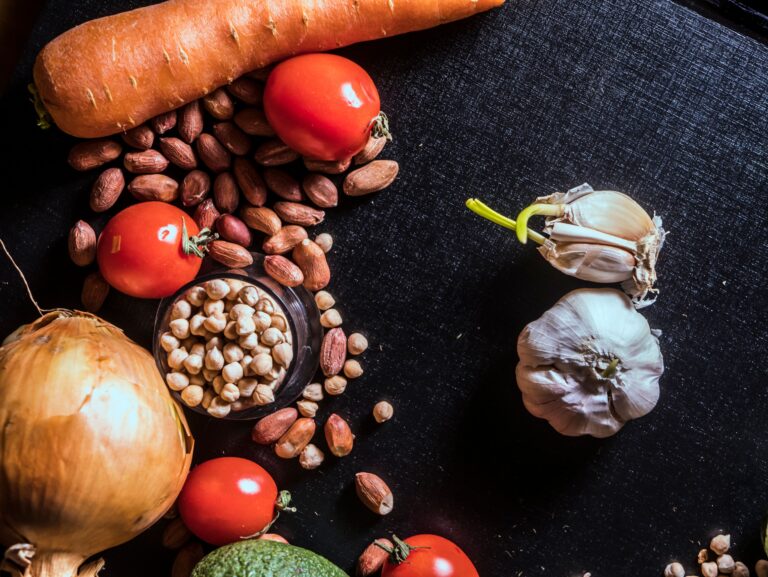
After the discussion, we made healthy lunch boxes together using simple, local, whole foods.
We explored alternatives to refined sugar and talked about how colourful, creative and enjoyable real food can be.
Having my daughter there with me made the experience even more meaningful.
She lives in Denmark, where organic food is widely accessible and clean drinking water flows directly from the tap.
She may not fully understand that privilege yet, but I believe this experience planted a seed.
Then We Came Home
My daughter is used to porridge, fruit and homemade meals.
So when she returned home and discovered that her school club served breakfast with sugary cereal and sprinkles, she was thrilled.
“If it’s at school, it must be good, right?” she asked.
That question stayed with me.
I had travelled halfway across the world to help nourish children — yet even here, our own children are surrounded by processed options disguised as harmless treats.
The setting may be different, but the challenge is the same.
So, What Can We Do?
How do we give our children the best possible start in life?
We begin with knowledge.
With presence.
With love.
We remember what real food is.
Breakfast, lunch and dinner.
Fewer endless snacks.
Fewer plastic-wrapped shortcuts.
More balanced, homemade meals made with simple, whole ingredients.
Food prepared with time.
Shared around a table.
Enjoyed with attention.
That is where we begin.
About the Author
This article is part of a growing series on children’s health and nourishment by Kornelia Konieczna, founder of Luminary Wild Wellness — a holistic health practitioner, detox guide and advocate for whole food and conscious living.